Imagine you’re comparing two glasses of drinking water. Both look crystal clear. Both are purified. One has the right pH, and the other claims to be hydrogen-rich with a negative ORP. Which one would you choose? These terms can confuse you.
For most people, the decision comes down to familiar terms like pH, TDS, or purification technology. Also, most of us understand what purified water means, and many have heard about alkaline water. But there’s another important parameter that rarely gets discussed—Oxidation-Reduction Potential (ORP).
While pH measures the acidity or alkalinity of water, oxidation-reduction potential measures the electrical potential of water to either accept or donate electrons. This characteristic plays a significant role in understanding the behavior of ionized alkaline water.
Modern ionization technologies are designed not only to produce alkaline water but also to create water with a negative ORP value. If you are about to invest in a water ionizer, understanding the ORP of alkaline water will help you choose the right one.
What is ORP?
ORP stands for Oxidation Reduction Potential. It is measured in millivolts (mV) and indicates a substance’s ability to either gain electrons (oxidize) or donate electrons (reduce).
In simple scientific terms:
Positive ORP = Oxidizing potential
Negative ORP = Reducing potential
Water with a positive ORP tends to accept electrons, while water with a negative ORP can donate electrons. The concept is used in water treatment, food processing, industrial chemistry, and advanced hydration technologies.
It is important to understand that ORP is not the same as pH. Although they are related, they measure entirely different properties of water.
Oxidation Reduction Potential Water: The Science Behind It
To understand the oxidation-reduction potential of water, we need to examine oxidation and reduction reactions.
- Oxidation occurs when a molecule loses electrons.
- Reduction occurs when a molecule gains electrons.
These electron-transfer reactions occur constantly within every living cell. They are essential for processes such as cellular respiration (ATP production), metabolism, immune function, and cell signaling. Many researchers associate oxidative stress with an imbalance between reactive oxygen species (ROS) and the body’s natural antioxidant defenses. Water with a negative ORP contains excess electrons that may function as reducing agents.
The more negative the ORP value, the greater the electron-donating potential of the water. The values depend greatly on the source of water. For example, municipal drinking water has an ORP of +200 to +500 mV, and purified bottled water has an ORP of +100 to +300 mV. On the other hand, alkaline ionized water has -100 to -800 mV, and hydrogen-rich alkaline water has -300 to -900 mV ORP.
What Creates Negative ORP in Alkaline Water?
Advanced water ionizers use electrolysis to alter water’s properties.
During electrolysis:
- At the cathode, water is reduced, producing hydrogen gas (H₂) and hydroxide ions (OH⁻).
- The hydroxide ions increase the pH, making the water alkaline.
- The dissolved hydrogen lowers the ORP, making it more negative.
Advanced ionization systems are based on this relationship between electrolysis and the ORP of an alkaline water ionizer. This is what makes them different from traditional filtration technologies.
The Difference Between Alkaline Water ORP vs pH
A common misconception is that a high pH automatically indicates a negative ORP.
The truth is:
- pH measures acidity and alkalinity.
- ORP measures electron activity.
Water can have:
- High pH but weak ORP.
- Strong negative ORP but moderate pH.
- Both high pH and strong negative ORP.
This distinction is critical when evaluating the performance of an alkaline water ionizer ORP system.
The most advanced ionizers are engineered to optimize both pH and ORP simultaneously.
What actually causes the negative ORP?
The major contributor is dissolved molecular hydrogen (H₂).
Negative ORP Water Benefits
The growing interest in the benefits of negative ORP water stems from the electron-donating capacity of negatively charged water.
Negative ORP water Benefits include:
Enhanced Hydration Experience
As per consumers, negatively charged alkaline water feels smoother and more refreshing.
Antioxidant Potential
Because negative ORP water contains excess electrons, it is often associated with antioxidant properties.
Improved Water Quality Profile
A negative ORP reading indicates a reducing oxidative environment.
Support for Active Lifestyles
Athletes and wellness-conscious individuals often seek water with strong ORP values as part of their hydration strategy and to calm inflammation.
It is important to note that ORP is only one factor influencing water quality and should be considered alongside purification performance, mineral content, and overall system design.
Why ORP Matters in Water Quality?
Most traditional water purification systems focus exclusively on removing contaminants.
While purification is essential, you should also look for:
- Mineral balance
- pH levels
- Molecular hydrogen concentration
- ORP values
The significance of oxidation-reduction potential lies in its ability to provide insight into water’s electrochemical properties.
A well-designed water system offers:
- Safe purification
- Balanced mineral content
- Appropriate alkalinity
- Strong negative ORP
This comprehensive approach helps create water that meets both safety and drinking-quality standards.
The Role of an Antioxidant Water Machine
An antioxidant water machine uses advanced electrolysis technology to produce water with a negative ORP value.
These systems often include:
- Platinum-coated titanium plates
- Multi-stage purification
- Hydrogen generation technology
- Multiple pH settings
- Water conductivity (TDS)
The effectiveness of an antioxidant water machine depends heavily on the quality of its electrolysis chamber and overall engineering.
Choosing the Best ORP Water Ionizer in India
When selecting the best ORP water ionizer in India, you should evaluate more than just pH levels.
Here are some factors to consider:
- ORP generation capability
- Number of electrolysis plates
- Hydrogen production efficiency
- Filtration technology
- Water flow rate
- Mineral retention capabilities
A high-quality system should consistently produce strong ORP values for alkaline water while maintaining excellent purification standards.
Why Choose ZeroB Hydrolife?
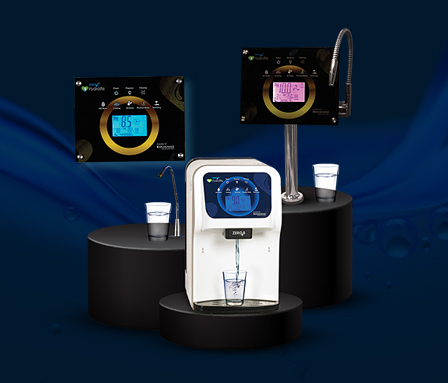
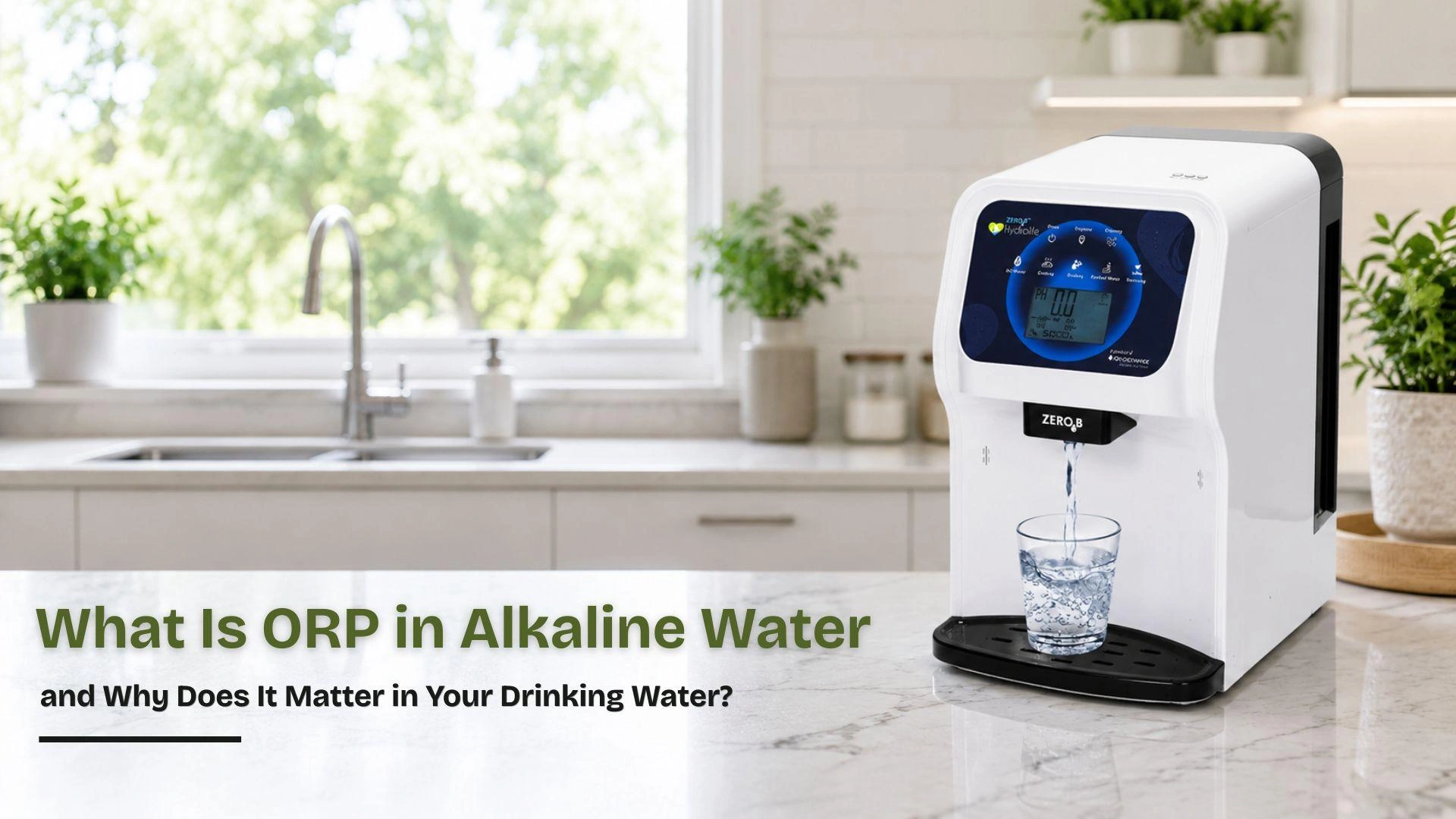
When you are looking for a water purification system that combines the latest technology, advanced water purification, and ORP, providing both alkaline water and hydrogen water, look no further than ZeroB Hydrolife.
We are the pioneers in water purification in India, and we have designed the best water ionizers that you can trust for your and your family’s health. Explore our product range today!